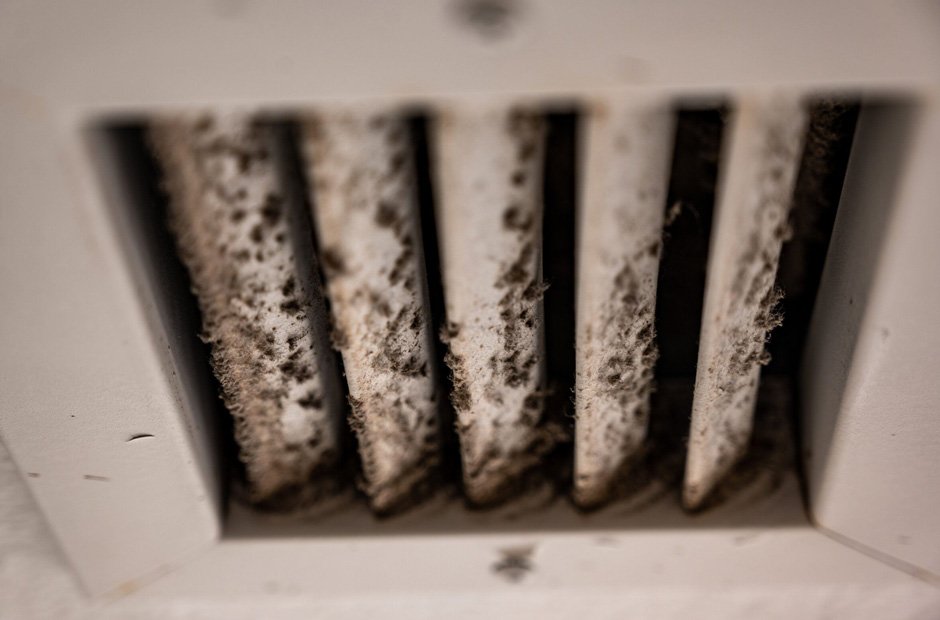

Houston’s humid weather creates the perfect environment for mold to thrive inside HVAC systems. This problem often stays out of sight, yet it quietly affects indoor air and comfort. Understanding how mold grows and spreads through HVAC systems helps homeowners protect their health and keep their homes safe.
Mold inside vents and ducts can circulate through the air every time the system runs. Over time, it can cause unpleasant odors, allergic reactions, and respiratory discomfort. Learning what conditions allow mold to develop and what signs point to hidden growth helps people take action before serious issues appear.
Houston’s high humidity creates ideal conditions for mold growth in HVAC systems
Houston’s air often holds moisture levels above 75 percent through much of the year. This trapped moisture stays inside homes and HVAC units, creating ideal breeding grounds for mold. Warm temperatures combine with heavy humidity to let spores spread quickly through vents and coils.
Once mold forms inside ducts, it can release airborne particles each time the system runs. That cycle keeps indoor air damp and contaminated. Regular maintenance and periodic service help break this pattern before it worsens.
Professional cleaning companies in Houston use specialized tools to remove mold from HVAC systems safely. They clear the buildup from inside vents and treat affected areas with eco-friendly products that limit future growth.
Homeowners who notice musty smells, visible residue, or reduced airflow should schedule an inspection soon. Early action helps control humidity inside the system and keeps indoor air cleaner throughout the year.
Mold in air ducts spreads spores, worsening indoor air quality throughout the home.
Mold inside air ducts releases tiny spores into the air each time the HVAC system operates. These spores move through the duct network and enter every room. As a result, anyone inside the home breathes air that may contain mold particles, which can lower overall air quality.
Exposure to airborne mold may cause coughing, nasal congestion, or eye irritation. People with allergies or asthma often feel these effects more strongly. Over time, continuous contact can lead to discomfort and breathing problems that seem to have no clear source.
Moisture inside ducts often encourages mold to grow. Condensation from temperature changes or high humidity can make this worse in Houston’s climate. Regular system inspections and cleaning can limit buildup before it spreads through the air system.
By controlling moisture and addressing leaks early, homeowners can stop mold from releasing spores and keep indoor air safer to breathe.
Persistent musty odors are an early sign of hidden mold in HVAC systems
A musty odor from vents often signals that mold may be growing inside the HVAC system. Moisture can collect in coils, ducts, or drip pans, creating a place for mold to form. Even a small buildup can spread spores through the air each time the system runs.
This smell tends to stay in the air because mold produces gases as it grows. These gases mix with dust and circulate throughout the home, which can make the air feel stuffy or damp. In Houston’s humid climate, trapped humidity can make these odors even stronger.
Homeowners who notice this scent should check filters, vents, and ducts for signs of moisture or discoloration. Ignoring it may allow spores to settle deeper into the system. Regular cleaning and proper airflow can help prevent the hidden growth that often causes these unpleasant smells.
Mold exposure in HVAC can trigger allergies, respiratory issues, and worsen asthma
Mold inside HVAC systems can release spores into the air that people breathe every day. These spores may cause allergic reactions such as sneezing, nasal congestion, or itchy eyes. Individuals who already have allergies often notice worse symptoms after the system runs.
Exposure also affects the respiratory system. People may develop coughing, wheezing, or throat irritation as mold particles move throughout the home. In humid climates like Houston, HVAC moisture problems make this issue more common.
For those with asthma, mold exposure can lead to more frequent or severe flare-ups. Research has linked indoor dampness and mold to increased asthma attacks in both children and adults. Therefore, keeping HVAC systems dry and clean helps protect long-term health.
Even short periods of exposure may cause discomfort for some individuals. People with weakened immune systems or chronic lung diseases face higher risks, so regular inspections and maintenance remain important.
Previous water damage or flooding increases the risk of mold development in HVAC units
Water damage or flooding often leaves behind hidden moisture inside HVAC components. Even after surfaces dry, damp areas inside ductwork or around coils may stay wet. That trapped moisture gives mold spores a place to settle and grow.
In Houston’s humid climate, this problem grows faster because high humidity slows the drying process. As a result, condensation can form again inside the system, adding even more moisture. This repeated exposure creates ideal conditions for mold to spread through the airflow.
Contaminated HVAC units can then circulate mold particles throughout the home. The spores may collect on vents, filters, or insulation, reducing indoor air quality. Regular inspections help detect any leftover water damage before mold takes hold.
After flooding or noticeable leaks, homeowners should have the HVAC unit inspected and professionally cleaned. Removing moisture quickly prevents mold buildup and helps keep the system safe and efficient.
Conclusion
Mold in Houston HVAC systems poses several hidden dangers that affect both health and property. High humidity levels in the region make moisture control inside ducts and units harder to manage. As a result, mold spores can spread through indoor air, causing breathing issues and unpleasant odors.
Regular inspection and maintenance help lower the chance of buildup inside coils or vents. Cleaning filters and checking for leaks keeps the system dry and limits spore growth. Professional help may be needed if musty smells or visible mold appear.
Homeowners who act early protect their indoor air quality and avoid costly repairs. By focusing on simple prevention steps, they keep their HVAC systems clean and safe for everyday use.