
Key Takeaways
- Understanding the burden of proof is essential for both plaintiffs and defendants in civil cases.
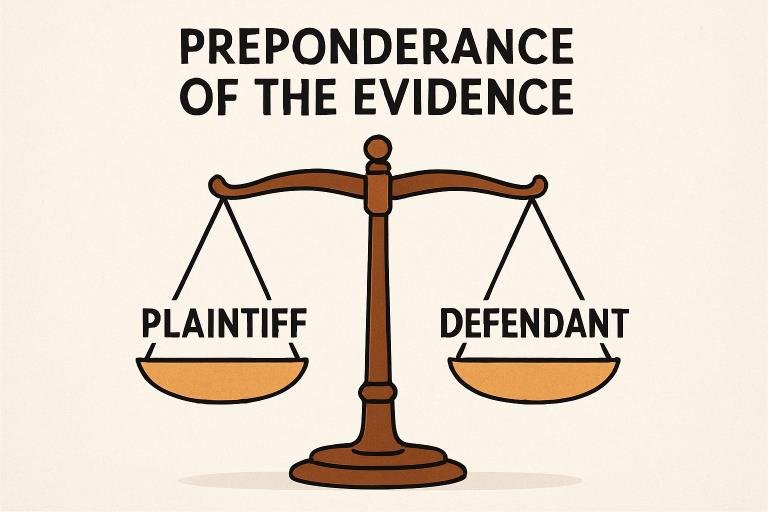
- The standard of proof in civil litigation is typically “preponderance of the evidence,” meaning the claim is more likely true than not.
- Recent legal decisions have clarified the application of these standards, impacting how cases are argued and decided.
Civil litigation can seem complex and daunting, especially for those unfamiliar with the legal concepts that govern the process. Among the most significant of these is understanding who carries the responsibility of proving the facts at issue—the burden of proof. Whether you are a party to a lawsuit or simply interested in the law, having a clear grasp of these concepts is essential to appreciating how civil disputes are resolved in the courtroom. When weighing the strategic considerations and legal standards involved, consulting a reputable law firm such as Viola Law Firm can be invaluable.
The burden of proof in civil litigation determines which party must persuade the court and the degree of certainty required to support claims. Unlike criminal trials, where guilt must be proven “beyond a reasonable doubt,” civil cases have less stringent standards, which are essential for justice. Understanding these standards and recent legal developments is crucial for navigating civil litigation effectively, as shifts in jurisprudence can significantly impact case strategies and outcomes. Engaging with attorneys knowledgeable about these changes is advisable for both plaintiffs and defendants.
Understanding the Burden of Proof
At its core, the burden of proof describes the duty of a litigant to establish the truth of his or her assertions in court. In almost all civil actions, this burden initially falls on the plaintiff, who must demonstrate every element of their claim through admissible evidence. This allocation is rooted in longstanding legal tradition, based on the rationale that those seeking relief or damages should prove their entitlement before being granted a remedy.
The burden of proof is more closely aligned with a two-part concept in practice: the burden of production and the burden of persuasion. The burden of production is the initial obligation to submit evidence supporting one’s allegations; failure to meet this threshold can result in dismissal or a summary judgment in favor of the opposing side. Once a party meets the burden of production, the burden of persuasion comes into play, requiring that party to convince the judge or jury of their position according to a specific standard of proof. The opposing party may then submit rebuttal evidence, attempting to weaken or discredit the case made by the other side.
Standards of Proof in Civil Cases
The standard of proof defines the level of certainty and the amount of evidence required to establish proof in a criminal or civil proceeding. Civil cases, which include everything from contract disputes to tort claims, typically apply one of the following standards:
- Preponderance of the Evidence:The most prevalent standard in civil trials. To prevail, the plaintiff must show that their claims are more likely true than not, which is often interpreted as a likelihood of more than 50 percent. This is a comparatively low bar but is foundational to most civil case outcomes.
- Clear and Convincing Evidence:This elevated standard applies particularly to certain types of civil cases, such as those involving allegations of fraud, the need for punitive damages, or loss of parental rights. It requires the evidence to produce a firm belief or conviction in the truth of the claims.
Each standard gives courts a framework for evaluating the sufficiency of the evidence presented. Attorneys must organize, gather, and present their client’s case with these standards in mind, as failing to meet the correct evidentiary threshold nearly always results in defeat. Legal education resources such as Cornell Legal Information Institute: Burden of Proof offer detailed explanations of these essential doctrines.
Recent Legal Developments
Modern case law continues to shape and refine the interpretation of the burden and standards of proof. In Encino Motorcars, LLC v. Navarro, for instance, the U.S. Supreme Court addressed whether automotive service advisors are eligible for overtime pay under the Fair Labor Standards Act (FLSA). The Court ultimately held that service advisors are exempt from the FLSA’s overtime-pay requirements, clarifying the application of exemptions under the Act. This decision underscores the importance of understanding how specific roles are classified under labor laws.
These clarifications are necessary because they directly impact litigation strategy and case outcomes. Appellate and Supreme Court decisions have, at times, heightened or shifted the burden of proof in specific areas, such as employment law, consumer protection actions, and civil rights cases. As a result, legal teams must remain vigilant for developments that could affect their burden at trial or on appeal, adapting their approach to evidence and argumentation accordingly.
Practical Implications for Litigants
For litigants, a comprehensive understanding of the burden and standards of proof serves as both shield and sword. Plaintiffs should marshal all possible evidence before filing suit and carefully assess whether their evidence meets or exceeds the applicable standard. By contrast, defendants must scrutinize the claimant’s case for weak points, particularly any gaps in proof or arguments that fall short of the legal standard. Both sides benefit from developing a robust evidentiary record and anticipating how a judge or jury might weigh each piece of evidence against the burden of proof.
Failing to understand these requirements can result in adverse rulings, the exclusion of pivotal evidence, or an outright loss of the case. Early engagement with experienced counsel ensures that parties can systematically build—or dismantle—a case, aiming for the best possible outcome. This is even more critical as the burden of proof may shift during the proceedings, such as when affirmative defenses or counterclaims are asserted.
Conclusion
The burden of proof is an indispensable aspect of civil litigation, shaping every phase from initial pleadings through final judgment. Staying informed about applicable evidentiary standards and recent legal developments empowers parties to navigate the civil justice landscape effectively. Being proactive about litigation strategy and working closely with skilled attorneys can help ensure fairness and success in the courtroom.