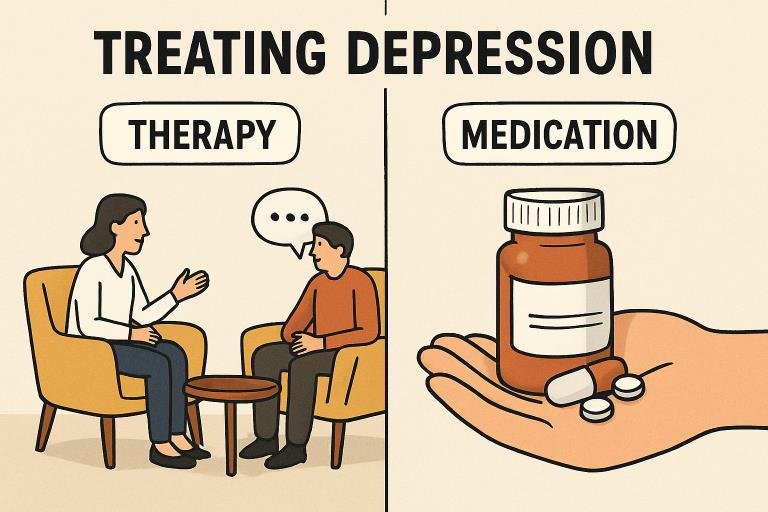

Depression is one of the most common mental health conditions worldwide, affecting people of all ages and backgrounds. If you’re struggling with persistent feelings of sadness or hopelessness, you might wonder whether medication, therapy, or a combination of both is the best path forward. Early evidence and clinical practice suggest that integrating multiple approaches can provide a more effective foundation for recovery. If you’re seeking personalized support in New York City, a Depression Doctor NYC can help craft a tailored treatment plan for your needs.
While medication targets the biological aspects of depression, therapy addresses the psychological elements, offering new ways to cope and manage daily challenges. When combined, these approaches can create a more robust system for healing, reduce the risk of relapse, and improve long-term outcomes. It’s essential for individuals and their families to thoroughly understand both options before making informed treatment decisions.
Understanding Depression
Depression is a severe mood disorder characterized by ongoing feelings of sadness, hopelessness, and loss of interest in activities previously enjoyed. Symptoms can range from mild to severe, impacting every facet of daily life—including relationships, work, and physical health. Depression can be caused by a mix of genetic, biological, environmental, and psychological factors. Recognizing the multifaceted nature of depression is essential for finding an effective, personalized treatment strategy.
Medication as a Treatment
Medications are often prescribed as a first-line defense against moderate-to-severe depression. The most common types are antidepressants such as Selective Serotonin Reuptake Inhibitors (SSRIs), Serotonin-Norepinephrine Reuptake Inhibitors (SNRIs), and tricyclic antidepressants. These drugs help regulate brain chemicals that influence mood and emotional responses. While many people experience significant relief within weeks, others may need to try different medications or dosages to find the one that works best for them. Side effects vary by individual and medication type, so regular follow-ups with your healthcare provider are essential.
The Role of Therapy
Therapy—especially Cognitive Behavioral Therapy (CBT)—has proven highly effective in treating depression. Therapy sessions help patients recognize and reframe negative thoughts, build healthy coping mechanisms, and develop problem-solving skills. In addition to CBT, other approaches like Interpersonal Therapy (IPT) and psychodynamic therapy can address specific triggers or underlying trauma. During therapy, patients learn to create new patterns of thinking and behavior, ultimately leading to better management of depressive symptoms and prevention of future episodes. Therapy offers an active, collaborative route to recovery that complements medication for many people.
Combining Therapy and Medication
For many, a combination of therapy and medication yields greater and more sustainable improvement than either approach alone. Medication can help alleviate debilitating symptoms, making the individual more receptive to therapy. In contrast, therapy empowers patients with tools and insights to confront challenges that medication alone cannot address. This dual approach is efficient for individuals with moderate to severe depression, treatment-resistant depression, or those who have not responded to a single treatment type.
Research Findings
Numerous studies support the benefits of integrated care. Patients treated with both antidepressants and cognitive therapy had superior results compared to those given only medication. Patients not only achieved remission more quickly but also maintained improvements longer and had a reduced risk of relapse. These findings echo the consensus among mental health professionals that treating both the psychological and biological aspects can address the full complexity of depression.
Considerations for Patients
While dual therapy can be highly effective, it is not a one-size-fits-all solution. Factors such as the severity of depression, personal treatment history, access to qualified providers, and individual preferences play a significant role. Some patients may initially resist medication due to stigma or fear of side effects, while others may prefer therapy-only approaches. Transparent, ongoing communication with your healthcare team is essential for designing a plan tailored to your goals, comfort, and lifestyle.
Exploring Alternative Therapies
For individuals who do not respond to standard treatments, alternative therapies provide additional hope. One example is Transcranial Magnetic Stimulation (TMS), a non-invasive procedure that uses electromagnetic pulses to stimulate brain areas involved in mood regulation. According to Psychology Today, TMS is beneficial for treatment-resistant depression and is generally well tolerated. Other emerging interventions, like ketamine treatments and mindfulness-based therapies, are being explored as well.
Conclusion
Combining therapy and medication is often the most effective strategy for managing depression, particularly for those with moderate to severe symptoms. This multifaceted approach acknowledges both the biological and psychological roots of depression, giving individuals the best chance at lasting improvement. However, treatment must be tailored to each person’s needs, preferences, and medical history. Collaborate closely with your healthcare provider to determine the right plan, and remember that recovery is possible with the proper support and persistence.