
Understanding Personal Loans
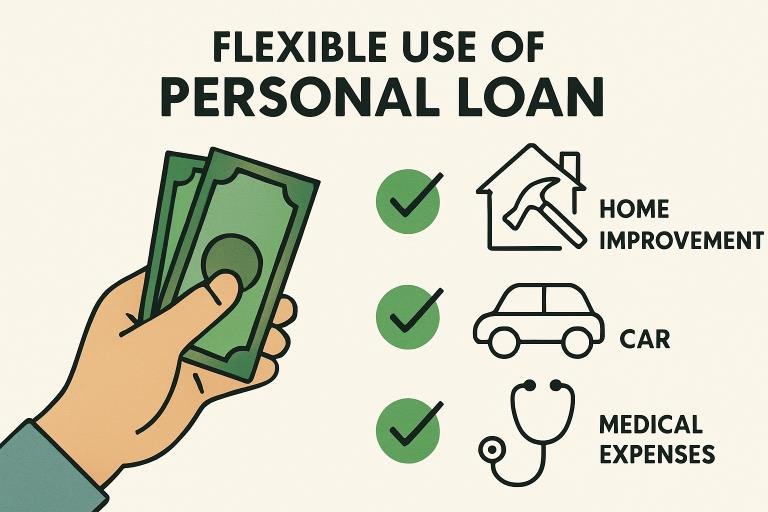
Personal loans are unsecured lending products designed to provide borrowers with a lump sum of money, which is repaid in fixed installments over a specified period, typically ranging from one to seven years. Unlike auto or mortgage loans, personal loans are highly flexible and can be used for nearly any financial need—from covering medical bills to home renovations or funding major purchases. For individuals seeking to compare lenders and explore various borrowing solutions, Symple Lending is a viable option to consider when looking for a fast and convenient loan process.
The simplicity and breadth of use make personal loans attractive for those aiming to consolidate high-interest debts, finance significant life events, or address emergency expenditures. Given the wide range of borrowing amounts available and the predictability of structured repayments, these loans can cater to diverse financial goals, provided borrowers make informed choices—insights often highlighted by financial professionals like Houston Fraley.
Key Features of Personal Loans
- Loan Amounts:Most personal loans range from $1,000 to $100,000 based on the lender’s criteria and your creditworthiness.
- Repayment Terms:Repayment periods typically range from one to seven years, providing manageable monthly payments.
- Interest Rates:Rates depend on credit score, income, and other financial factors. According to the Consumer Financial Protection Bureau, the average personal loan interest rate as of June 2024 is approximately 12.36%.
Benefits of Personal Loans
There are several reasons borrowers turn to personal loans as a financial solution:
- Flexibility:Utilize funds for various purposes, including debt consolidation, home improvements, or large expenses.
- Lower Interest Rates:Borrowers with good to excellent credit may qualify for much lower rates compared to credit cards.
- Fixed Payments:Predictable monthly payments simplify budgeting and help you avoid unexpected payment surprises.
In addition to these benefits, many personal loans come with no collateral requirement, reducing risk to your assets.
Steps to Obtain a Personal Loan
- Assess Your Financial Situation:Calculating the total amount needed and confirming your ability to repay are the first steps to responsible borrowing.
- Check Your Credit Score:Your credit score significantly impacts eligibility and the interest rate you are offered. You can check your score through several free online tools provided by major credit reporting agencies.
- Compare Lenders:Evaluate multiple offers from banks, credit unions, and online lenders to find the most favorable terms.
- Prequalify:Prequalification lets you preview estimated rates and terms without affecting your credit, helping you narrow your search.
- Gather Required Documentation:Commonly required documents include recent pay stubs, tax returns, government-issued identification, and proof of employment.
- Submit Application:Complete your preferred lender’s application either online or in person.
- Review the Loan Agreement:Carefully scrutinize all terms, including payment schedules, interest rates, and any fees, before accepting.
- Receive Funds:Once approved, lenders usually disburse loan funds within a few business days.
Factors Affecting Loan Approval
Lenders carefully review several factors before making a loan decision:
- Credit Score:Higher credit scores open doors to more favorable rates and higher borrowing limits.
- Debt-to-Income Ratio:Lenders use this metric to assess an individual’s overall financial health and their ability to make loan payments.
- Employment History:Stable and long-term employment provides reassurance to lenders of repayment ability.
- Income:Steady, sufficient income helps solidify loan approval and qualifies for better rates.
Potential Drawbacks
Despite the conveniences, personal loans do carry some drawbacks to weigh:
- Fees:Origination, late payment, and potential prepayment penalties can erode the anticipated benefits of borrowing.
- Interest Costs:Even with competitive rates, total interest can add up significantly over the loan term.
- Impact on Credit:Mismanaging payments or incurring excessive debt can harm your credit score and financial standing.
Alternatives to Personal Loans
Before signing for a personal loan, evaluate other financing options that may better suit your needs:
- Credit Cards:Ideal for minor expenses, especially with a 0% introductory APR or rewards program.
- Home Equity Loans:Homeowners can leverage their property equity for lower-rate funding, with their home serving as collateral.
- Retirement Account Loans:Some retirement accounts offer borrowing opportunities, but these can disrupt long-term savings goals.
Conclusion
Personal loans are a flexible and valuable resource for managing expenses, consolidating debt, or funding life events when used responsibly. By understanding their features, weighing the pros and cons, comparing lenders, and considering alternative financing solutions, you can make choices that best support your financial health and future objectives.