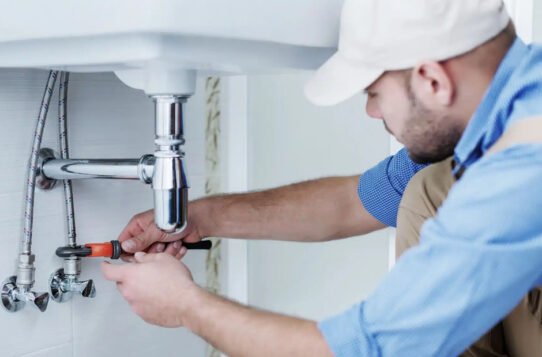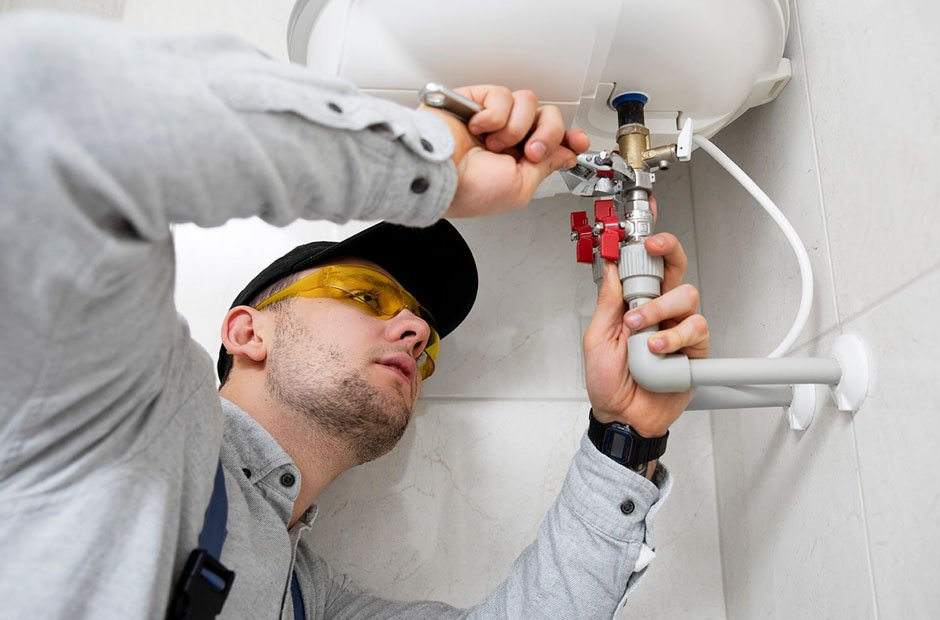

When a pipe bursts or a drain clogs, local plumbers become our unsung heroes, tackling issues that are beyond the average homeowner’s expertise. In 2021 alone, the median pay for plumbers was about $60,000, reflecting the specialized skills they bring to our doorsteps. As such, understanding what services are available and what to expect from a professional plumber is important for homeowners.
Choosing the right plumber can save time, money, and stress. It’s about knowing who to call and what to expect once they arrive. In this article, we’ll delve into the key aspects of local plumbing services, ensuring homeowners are well-informed and prepared for their next plumbing need.
Navigating Local Plumber Services as a Homeowner
local plumbers The first step in navigating local plumber services is understanding the range of services available. Most local plumbers will offer basic services like leak repair, drain cleaning, and toilet installation, covering most home plumbing needs. Additionally, many provide 24/7 emergency services, an essential offering for those unexpected late-night leaks.
When seeking a plumber, it’s vital to prioritize licensed professionals who can provide a warranty on their work. Licenses assure that the plumber adheres to industry and local standards, while a warranty protects homeowners from any defective work. Ensuring your plumber is insured also shields you from liability in case of accidents during the repair.
Lastly, before engaging a plumber, conduct some research. Ask friends or neighbors for recommendations or look at online reviews to gauge the quality of service a plumbing company offers. This can prevent mismatched expectations and ensure you’re more likely to receive satisfactory service.
Common Plumbing Services Offered in Your Area
Across the nation, local plumbers typically offer a suite of common services to address routine maintenance and emergency repairs. These often include fixing drippy faucets, unclogging drains, repairing or replacing pipes, and installing or servicing water heaters.
One helpful tip is to identify plumbers who specialize in particular areas. For example, if you need a water heater repair or replacement, seek out a plumber who has significant experience and expertise with water heaters. This specialization often translates into more efficient diagnoses and repairs.
It’s wise for homeowners to establish a relationship with a reputable local plumber before an issue arises. This proactive step can ensure quicker service, as the plumber will already be familiar with your home’s plumbing system and any unique requirements or past issues.
Evaluating the Quality of Local Plumbing Services
Quality evaluation of local plumbing services boils down to credentials, customer feedback, and performance metrics. Identifying highly-rated plumbers can be simplified by consulting resources like the Better Business Bureau or specialized trade websites.
An important yet often overlooked aspect is the plumber’s responsiveness and professionalism. A company that responds quickly to service calls and treats customers with respect is likely to provide satisfactory service. Look for clues to this in the customer reviews you read and pay attention to how they interact with you from the initial contact.
For a good measure of what to expect, ask for an estimate before authorizing any work. Detailed estimates prevent surprises on the final bill, and questioning line items can also give insight into the plumber’s transparency and integrity. Compare estimates with local standards and ensure the proposed solutions meet your needs cost-effectively.
Preparing for a Plumber’s Visit: Steps for Homeowners
The effectiveness of a plumber’s visit significantly depends on how prepared the homeowner is. Knowing the problem in detail can facilitate a swift and accurate diagnosis—document symptoms, occurrence patterns, and any attempted fixes to share with the plumber.
Clearing the area around the problem site not only provides ease of access for the plumber but can prevent further damage to your property or the plumber’s equipment. Additionally, ensure the plumber has unobstructed access to main valves and backflow prevention devices if needed.
Lastly, consider securing pets and setting expectations with other residents. A plumbing work zone can be hazardous, and managing these potential impediments in advance promotes safety and efficiency, allowing the plumber to focus on the task at hand.
Ultimately, the relationship between homeowners and local plumbers is built on reliable service and trust. By understanding the breadth of services offered, evaluating potential plumbers thoroughly, and preparing adequately for their visit, homeowners can ensure a positive outcome. This preparedness not only solves immediate problems but establishes a good foundation for future plumbing needs.