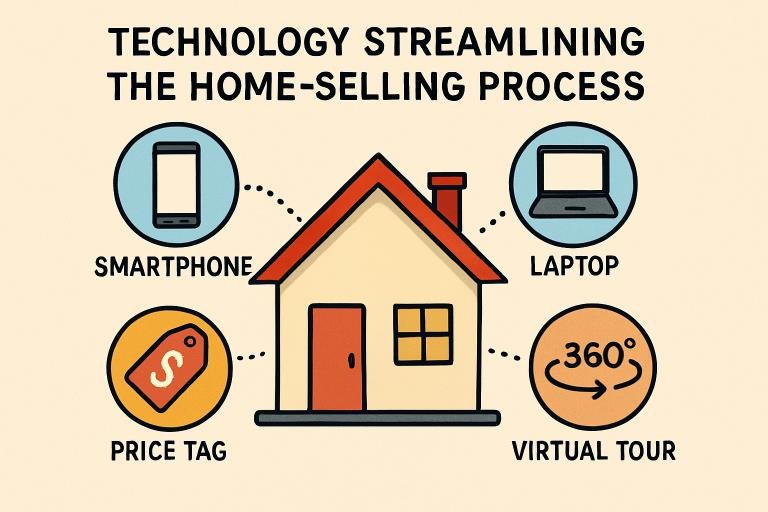

In the digital age, selling your home has become significantly more accessible and efficient than ever before. Thanks to technological innovations, home sellers can attract more buyers, set competitive prices, and complete transactions faster—all with reduced stress. Whether you’re considering listing your property for the first time or looking for ways to speed up the process, understanding how technology can streamline your experience is crucial. For sellers aiming to move quickly, utilizing resources like https://www.kindhousebuyers.com/sell-my-house-fast-puyallup/ can make the process even smoother.
Virtual tours, AI-based pricing tools, and instant digital transactions are just the beginning of this transformation. By embracing these advances, you can open your listing to a national (or even global) market and connect with buyers in ways never before possible. As the industry continues to evolve, knowing which tools and trends to leverage will give you a significant advantage.
Modern buyers expect a seamless, interactive experience—and sellers who can deliver on that expectation often see faster sales and better offers. From virtual walkthroughs to social media promotion, each phase of the real estate process is being optimized for speed, accuracy, and convenience for both parties.
For homeowners who want to sell efficiently, understanding these technological tools isn’t just useful—it’s essential in today’s competitive market.
Virtual Tours and 3D Walkthroughs
The days of relying solely on physical showings are fading, as virtual tours and 3D walkthroughs let buyers view homes from anywhere in the world. With technologies like Matterport and Zillow 3D Home, sellers can provide immersive, interactive experiences that let buyers visualize themselves living in the space—without ever setting foot on the property.
Not only do these tours save time, but they also help properties stand out in crowded marketplaces. According to a report from the National Association of Realtors, homes with virtual tours often attract more attention and prompt quicker, more serious inquiries. This interactive component is now expected by many buyers, making it a must-have for modern sellers. To know more about virtual tours and 3D walkthroughs, click https://www.kindhousebuyers.com/.
AI-Powered Pricing Tools
Finding the right listing price can be one of the most stressful aspects of selling a home. Fortunately, AI-powered pricing tools can analyze a wide range of data—including recent sales, market trends, and property features—to generate competitive and data-backed price recommendations.
Tools such as those from Opendoor use algorithms and big data to minimize pricing guesswork and ensure sellers are positioned strategically in their markets. As pricing continues to be a top influencer in buyer decision-making, leveraging AI can give sellers a critical edge while reducing the chances of overpricing or undervaluing a home.
Online Listings and Digital Marketing
The internet has forever changed how homes are marketed. Eye-catching listings with high-quality photos, compelling descriptions, and virtual tours appeal to broader audiences. Sophisticated digital marketing strategies—like targeted ads, Google search optimization, and email campaigns—further boost a home’s visibility.
By using platforms like Zillow, Realtor.com, and Redfin, sellers ensure their listings are accessible to millions of buyers. Digital marketing professionals can help maximize this digital exposure, creating marketing campaigns tailored to reach the most likely prospects. A well-crafted online listing often attracts more inquiries, faster.
Instant Buyers and iBuyers
Instant buyers, or “iBuyers,” are transforming real estate with fast, technology-driven offer systems. Companies like Opendoor and Offerpad use big data to make near-instant cash offers, allowing sellers to bypass traditional showings and negotiations.
For sellers who prioritize speed and certainty, this approach offers a streamlined route—sometimes resulting in a closing in just a few days. While not always the best choice for every seller, iBuyers add a compelling option for those in need of a quick transition or less exposure.
Augmented Reality for Home Staging
Traditional home staging is resource-intensive and requires physically moving furniture and décor. Augmented reality (AR) staging apps, however, let sellers virtually furnish and decorate their spaces. These apps enable buyers to see different layouts, furniture arrangements, or color schemes right from their phones or computers.
AR staging helps buyers picture the property’s potential—giving a “move-in ready” impression even when a home is vacant. For sellers, this can mean more interest and stronger offers, particularly in competitive housing markets.
Digital Transaction Services
The legal paperwork involved in a home sale can be daunting. Digital transaction services, like DocuSign and Notarize.com, make the process safer and more efficient. Electronic signatures, digital record-keeping, and remote notarization ensure faster closings and reduce the potential for costly errors.
Moreover, secure document storage and sharing help protect sensitive information. This convenient digital workflow means less time waiting for signatures and more freedom for all parties involved. According to Forbes, these innovations are key to closing deals in today’s digital-first environment.
Social Media Promotion
Social media platforms are rapidly becoming a cornerstone of real estate marketing. Instagram, Facebook, and TikTok allow sellers and agents to share eye-catching photos, video tours, and real-time updates about their listings. Interactive features like live virtual open houses or “Ask Me Anything” sessions further personalize the experience for buyers.
These platforms are especially effective for reaching younger buyers who spend more time browsing content online. When leveraged correctly, social media can help listings go viral, dramatically increasing exposure and buyer interest.
Conclusion
Modern technology has made selling a home more convenient, efficient, and profitable. From initial listing through closing, digital tools and online platforms help sellers reach more buyers, price homes accurately, and close deals faster. By embracing these advances, anyone can gain a competitive edge and enjoy a smoother, more successful home-selling journey.