
Restaurant seating arrangements do far more than provide a place to sit. Today’s innovative designs shape ambiance, attract diverse clientele, and encourage diners to linger—contributing directly to profitability. Well-planned restaurant seating layouts balance capacity with comfort and play a key part in reflecting your brand’s identity. Whether creating cozy alcoves or bustling communal spaces, thoughtful seating solutions are central to driving lasting customer satisfaction.
As dining behaviors continue to shift, smart restaurateurs recognize the power of reimagining seating. Guests value not just great food, but spaces designed for efficiency, privacy, and memorable interaction. From banquette nooks to technology-enabled solutions, the right seating choices maximize your space and keep people coming back for more.
As restaurant design trends evolve, keeping up with the latest approaches is essential for staying competitive. Integrating flexible, visually interesting, and customer-centric seating can transform underused square footage and create spaces that adapt to every occasion and group size.
To meet rising expectations, many operators blend comfort-driven layouts with features that promote flexibility, communal dining, and aesthetic appeal. Adopting fresh concepts like dynamic furniture and sustainable materials is increasingly popular among establishments looking to stand out in a crowded marketplace.
Banquette Seating: Combining Comfort and Efficiency
Banquette seating, defined by upholstered benches often built against walls, remains a smart strategy for optimizing both intimacy and seating capacity. By hugging the perimeter or sliding into corners, banquettes efficiently use every inch of space—ideal for smaller establishments or for creating intimate dining alcoves. Customers love booths for their privacy, comfort, and cozy ambiance. A surge in demand for casual and private dining nooks means banquettes continue to anchor contemporary layouts, especially in venues blending modern aesthetics with warm hospitality. According to Architectural Digest, banquettes are among the most-requested seating styles for new builds and renovations alike.
Flexible Layouts for Multi-Purpose Dining
Today’s dining rooms must do more than ever—hosting everything from brunch service to private events. Flexible seating layouts, featuring movable tables and lightweight, stackable chairs, enable rapid transformation of the dining environment for groups of varying sizes, parties, and occasions. Multipurpose furniture, such as flip-top or extendable tables, is easy to reconfigure and stow, helping staff create or collapse zones as needed. Designed for operational agility, flexible layouts increase space utilization, improve traffic flow, and ensure the venue is always set up for success, no matter the function or foot traffic.
Communal Tables: Fostering Social Interaction
Long, shared tables are making a comeback, driving a social, lively energy that appeals to both solo diners and groups alike. Communal seating encourages interaction between strangers and is especially popular in casual eateries and trendy urban bistros that aim to foster a sense of community. Communal tables can maximize turnover and accommodate variable group sizes with minimal fuss—boosting revenue potential without sacrificing the guest experience. This social-centric trend has been widely covered as a way to attract contemporary diners seeking memorable, shareable moments.
Mixed Seating Styles for Visual Interest
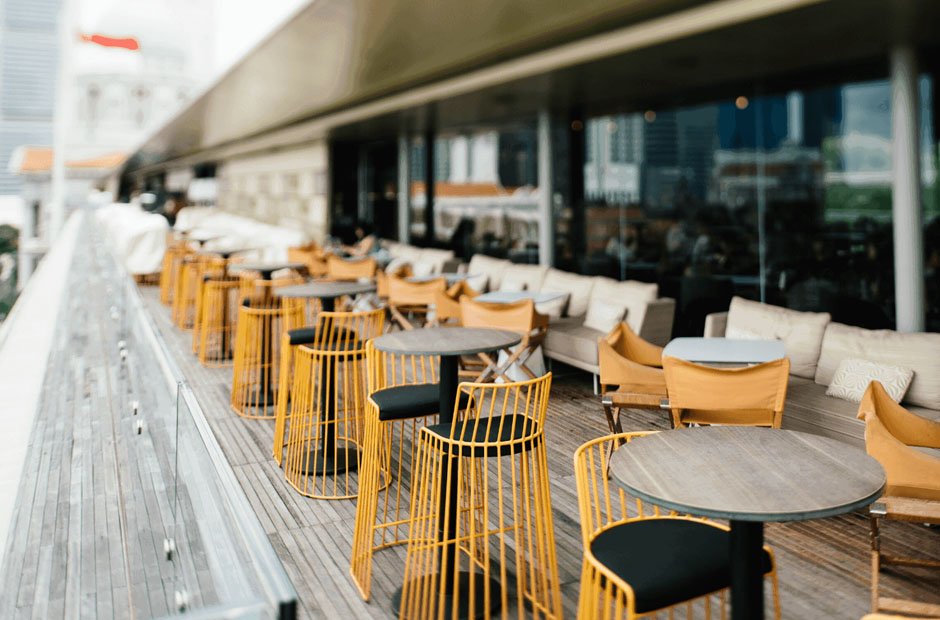
Diversity in seating styles—from plush armchairs to sleek stools and banquettes—adds a sensory depth and visual interest that delights today’s diners. Mixing elements provides options for all preferences and occasions: bar stools for quick drinks, deep booths for family dinners, and lounge corners for casual conversations or remote work. Incorporating an array of seating choices also allows operators to define specific zones within an open-plan dining room, creating a flow that guides guests throughout the space. This creative approach allows a single room to feel like several distinct environments, making each visit feel fresh and tailored.
Smart Seating: Integrating Technology for Enhanced Experience
Technology is increasingly woven into modern seating design to elevate both efficiency and guest comfort. Smart seating, featuring sensors to monitor occupancy or embedded USB ports and outlets for device charging, addresses the expectations of tech-savvy diners. Advanced systems use real-time data to optimize waitlists and ensure prompt, seamless service. Meanwhile, innovations like heated cushions and touchless controls add layers of luxury previously reserved for high-end hospitality settings. According to Forbes, integrated technology is an emerging standard for restaurants determined to deliver future-forward experiences.
Incorporating Natural Materials for Aesthetic Appeal
Bringing the outdoors in with natural seating materials—such as wood, leather, and stone—adds authenticity and warmth to dining spaces. In addition to their sensory appeal, these surfaces are often renewable, which contributes to a more sustainable, eco-minded restaurant image. Natural textures and earthy palettes foster a soothing, grounded ambiance that encourages guests to relax and enjoy their meals. Sustainability is top of mind for modern diners, making eco-friendly materials a smart investment for both the planet and a restaurant’s public image.
Conclusion
Innovative seating layouts are a cornerstone of exceptional restaurant design, impacting everything from the guest’s first impression to operational flow and profitability. By combining coziness with adaptability, social energy, visual appeal, technological convenience, and natural aesthetics, restaurants create welcoming environments that cater to every patron and every occasion. Embracing these seating strategies is essential for any restaurant striving to stay relevant—and irresistible—in the evolving hospitality market.