
Key Takeaways
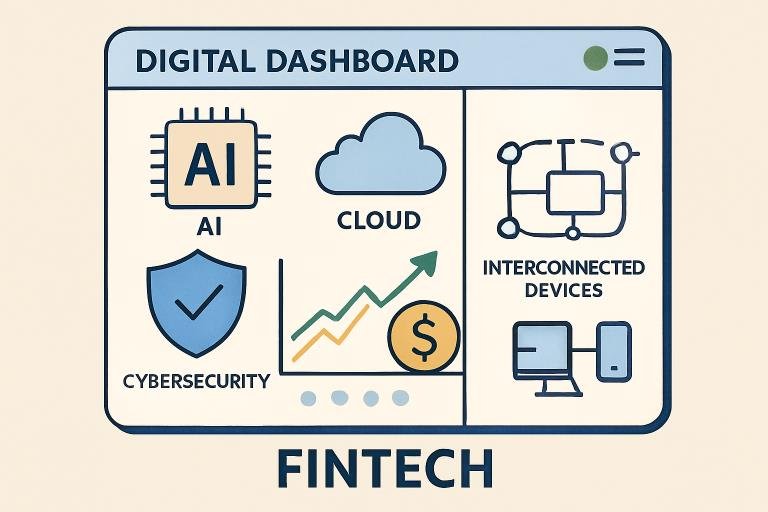
- AI is transforming how financial institutions interact with customers and optimize operations.
- Embedded finance is redefining user experiences by blending banking services into everyday platforms.
- Open banking fosters innovative partnerships and empowers customers to have greater control over their data.
- RegTech is making compliance more affordable, efficient, and accurate through automation.
- As threats evolve, cybersecurity measures are essential for maintaining trust and protecting assets.
The financial technology sector is moving at a remarkable speed, with fintech consulting firms helping businesses adapt and thrive amid constant innovation. For industry leaders and startups alike, success hinges on embracing the most influential trends of 2026, including advancements in artificial intelligence, regulation, security, and more. Discover how forward-thinking consultants and organizations, such as Cane Bay Partners are integrating these transformations into their strategies to deliver resilient, future-ready financial solutions.
As intense competition and consumer expectations increase, understanding which technologies and frameworks will define this year is more vital than ever. From the integration of seamless financial services into everyday digital experiences to robust cybersecurity frameworks, these trends are redefining the boundaries of what fintech can achieve globally.
Whether you’re building products for customers, automating compliance, or navigating rapidly evolving threats, staying attuned to these trends isn’t just smart—it’s essential. Financial consultants working alongside fintech executives are leveraging these industry shifts to enhance efficiency, unlock new revenue streams, and foster customer loyalty.
The impact goes well beyond digital payments or banking. With open platforms and data-driven insights, companies are rapidly reimagining the customer journey, improving risk management, and driving transparency in unprecedented ways. Understanding these shifts allows your organization to stay ahead—and avoid costly missteps—during a time of rapid change.
AI in Financial Services
Artificial intelligence is no longer aspirational—it’s foundational. In 2025, financial organizations are utilizing AI-driven virtual assistants, advanced fraud detection, and predictive analytics to deliver personalized services, enhance customer experiences, and improve operational efficiency. Tools leveraging AI not only automate repetitive processes but also empower real-time decision-making, enabling banks and fintech providers to respond rapidly to market changes and client needs.
For instance, leading firms are deploying machine learning algorithms that adapt to changing data and customer behavior, allowing for highly personalized banking experiences. The adoption of AI in finance is expected to continue accelerating, with an increasing number of organizations investing in AI chatbots, credit scoring systems, and regulatory compliance solutions.
Embedded Finance
Embedded finance refers to the trend of integrating financial services into non-financial digital platforms, enabling users to access banking, credit, or insurance services without leaving their preferred apps or websites. This is particularly prominent in e-commerce, where platforms now extend instant loans, insurance options, or payment plans right at the point of purchase, dramatically simplifying and speeding up transactions for consumers.
By integrating financial technology into retail, ride-sharing, or even healthcare apps, companies can create seamless user journeys that foster loyalty and drive new revenue streams. The embedded finance market could be worth several trillion dollars in the coming years, reshaping the modern financial ecosystem.
Open Banking
Open banking is reshaping traditional banking by requiring institutions to share customer data (with permission) through secure, standardized APIs. This innovation is paving the way for new fintech startups and partnerships, enabling customers to manage accounts, payments, and loans across multiple providers from a single platform.
The UK and EU’s open banking mandates set benchmarks for successful implementation, with a wave of new products catering to underserved or niche segments. Open banking has also enhanced transparency, streamlined lending decisions, and increased competitiveness throughout the financial services sector. The result is a customer-first landscape, where innovation and choice are growing at a faster rate than ever.
RegTech
As financial regulations become increasingly complex, firms are turning more frequently to regulatory technology—RegTech—to automate compliance tasks and minimize human error. Platforms capable of real-time data monitoring, transaction tracking, and continuous risk assessment are crucial for organizations operating across multiple jurisdictions or under rapidly changing regulations.
The result is faster compliance checks, cost savings, and fewer penalties or legal issues related to regulatory lapses. RegTech is now seen as an indispensable tool for regulatory teams, freeing up resources to focus on growth and customer service rather than paperwork.
Cybersecurity
Cybersecurity is a critical focus as digital transformation accelerates in the finance sector, particularly among fintech companies. These firms adopt advanced security measures, including multi-factor authentication, biometric verification, and robust encryption standards to combat phishing, fraud, and ransomware threats. As cyber threats evolve in sophistication, investment in security frameworks, proactive threat monitoring, and employee training is essential for maintaining customer trust. Additionally, government and regulatory bodies are intensifying scrutiny, imposing requirements for rigorous risk management and prompt incident response. In this dynamic environment, agile fintech consulting firms have the potential to deliver significant value to clients by pioneering innovative customer engagement strategies and achieving operational excellence while addressing both emerging challenges and opportunities projected for 2026.
Conclusion
Artificial intelligence and emerging technologies are transforming the financial services landscape, driving efficiency, personalization, and security. From AI-powered decision-making and predictive analytics to embedded finance, open banking, RegTech, and robust cybersecurity measures, firms are reimagining how financial services are delivered and experienced. These innovations not only streamline operations but also empower customers with greater choice, transparency, and convenience. As the sector continues to evolve, organizations that strategically adopt and integrate these technologies will be best positioned to meet regulatory requirements, mitigate risks, and capitalize on new opportunities—ensuring sustainable growth and a customer-centric future in finance.