
Introduction
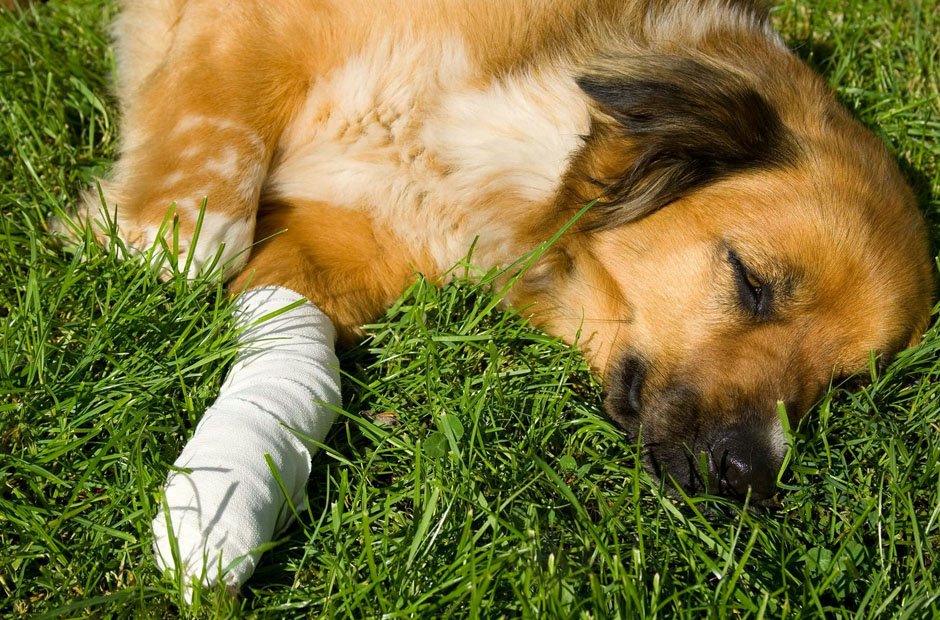
Pet sitting services have become increasingly popular as pet owners seek reliable care for their furry companions while they are away. However, with this convenience comes potential risks, including injuries to pets during these care arrangements. If you find yourself in a situation where your dog was injured by a pet sitter, understanding how insurance can protect both you and your clients is crucial. This article will delve into the complexities of pet sitting, the importance of insurance, and actionable steps to take when faced with such unfortunate incidents.
Understanding Pet Sitting Services
Pet sitting is a service that allows pet owners to hire professionals to care for their pets while they are away. This includes feeding, walking, grooming, and providing companionship. With the rise of websites and apps dedicated to connecting pet owners with sitters, the industry has seen significant growth.
While many pet sitters are passionate animal lovers who aim to provide top-notch care, it is essential to recognize that accidents can occur. Understanding the nature of pet sitting services helps set realistic expectations regarding the level of care your beloved pet will receive.
The Risks Involved in Pet Sitting
Just like any other profession, pet sitting comes with inherent risks. These include:
- Accidents and Injuries: Pets may get hurt while being walked or while playing.
- Behavioral Issues: Some pets may exhibit aggressive behavior towards unfamiliar people.
- Allergic Reactions: Pets can have unforeseen allergic reactions to certain foods or medications.
- Illness: Exposure to other animals can lead to illness.
As a pet owner, being aware of these risks can help you prepare for potential incidents and take preventive measures.
Types of Pet Insurance
Pet insurance typically falls into two main categories:
- Accident-Only Insurance: This covers injuries resulting from accidents but does not cover illnesses or routine check-ups.
- Comprehensive Insurance: This type covers both accidents and illnesses, often including wellness visits and preventive care.
For those in the pet sitting business, having specialized insurance coverage tailored for pet care services is vital.
Why You Need Pet Business Insurance
Pet business insurance is designed specifically for individuals providing services related to pet care, including dog walking and pet sitting. Here are several reasons why it is indispensable:
- Liability Protection: Should an incident occur where a pet is injured under your care, liability insurance protects you against legal claims.
- Professional Indemnity: This coverage protects you from claims arising due to negligence or mistakes made while performing your duties as a sitter.
- Property Damage: If a pet damages property while in your care, insurance helps cover repair costs.
- Peace of Mind: Knowing you are protected allows you to focus on providing quality service without fear of financial repercussions.
Pet Business Insurance serves as a safety net that benefits both sitters and clients by ensuring everyone involved has a layer of protection in case things go awry.
How Insurance Protects Pet Sitters
Insurance plays a crucial role in safeguarding pet sitters against various risks:
- Coverage Against Claims: If a client files a claim due to an injury their pet sustained while under your supervision, insurance helps cover legal fees and potential settlements.
- Protection Against Costly Repairs: If an incident leads to property damage—such as chewing furniture—insurance can help mitigate costs associated with repairs.
- Client Confidence: Having adequate insurance communicates professionalism and reliability, making potential clients more likely to trust your services.
By investing in comprehensive coverage like Pet Business Insurance, sitters can protect themselves from various liabilities inherent in their work.
How Insurance Protects Pet Owners
Pet owners also stand to gain significantly from insurance policies related to pet sitting:
- Financial Coverage for Veterinary Bills: If your dog sustains an injury while being cared for by a sitter, their insurance may cover veterinary expenses incurred due to the incident.
- Liability Protection: In cases where a sitter’s negligence leads to harm or injury caused by your pet (for example, if they bite someone), liability coverage can protect you from costly lawsuits.
- Reassurance of Care Standards: Knowing that sitters are insured often provides peace of mind that they adhere to professional standards of care.
Both parties benefit when proper insurance is in place; it fosters trust and accountability within the pet care industry.
Real-Life Case Studies
To further illustrate the importance of having proper insurance coverage in place, consider the following scenarios:
- Case Study One – Dog Walker Liability: A dog walker was taking several dogs out for exercise when one dog escaped its harness and ran into traffic, sustaining severe injuries. The dog’s owner filed a claim against the walker for veterinary expenses; fortunately, the walker had liability coverage through their Pet Business Insurance policy that covered the costs.
- Case Study Two – Property Damage: A cat sitter accidentally broke a vase while handling a rowdy cat during playtime. The vase was valuable and irreplaceable for the homeowner; however, since the sitter had property damage coverage through their policy, repair costs were covered without any financial burden on either party.
These examples highlight how various situations involving pets can be managed effectively through proper insurance coverage.
Steps to Take After an Injury Incident
If you find yourself facing an incident where your dog was injured by a pet sitter, here are steps you should take immediately:
- Assess Your Dog’s Condition: Ensure your dog receives immediate medical attention if necessary.
- Gather Evidence: Document everything related to the incident—take photos of injuries or damages and write down details about what occurred.
- Notify Your Insurance Provider: Contact your insurer as soon as possible to report the incident and initiate any necessary claims process.
- Communicate with the Sitter: Discuss what happened with the sitter involved; open communication may lead to amicable resolutions without escalating matters unnecessarily.
- Review Your Policy Terms: Familiarize yourself with what is covered under both your policy and the sitter’s policy; understanding these details can facilitate smoother claims processes.
Taking swift action can ensure that both health concerns for your dog and financial matters are addressed promptly.
Finding the Right Pet Business Insurance
When searching for suitable insurance coverage tailored for pet sitters or walkers, consider these crucial factors:
- Coverage Options: Ensure that the policy covers liability, property damage, and professional indemnity adequately.
- Reputation of Insurer: Research different companies offering Pet Business Insurance—read reviews and ask other professionals which providers they recommend.
- Cost vs Coverage Balance: Compare premiums with coverage levels; sometimes lower premiums mean insufficient protection against specific risks.
- Flexibility of Terms: Look into whether policies allow customization based on specific needs unique to your business model or types of pets cared for.
- Customer Support Quality: Ensure that customer service is accessible if issues arise during claims processing—a responsive support team can make all the difference during stressful times.
By investing time into choosing appropriate coverage through reputable providers like those offering Pet Business Insurance, you’ll ensure greater peace of mind while operating within this rewarding yet risky profession.
The importance of proper preparation cannot be overstated when it comes to protecting our pets and our livelihoods in this dynamic industry focused on ensuring our furry friends are well cared for while we are away from them!